Our insects are in trouble and need our help.
Widespread, major population crashes are being recorded around the world, and because insects and other invertebrates underpin the health of our natural ecosystems, the results of their demise would be no less than catastrophic. Compared to the multitude of environmental issues we are so often bombarded with, conserving our insects is a relatively easy thing to do, and everyone can get involved.
One of the key drivers of insect decline is habitat loss due to urbanisation. However, if we can replace our biologically sterile urban lawns with a more complex landscape rich in native flowers and filled with nooks and crannies, we can create a habitat that can support the pollinators responsible for one bite in three of every meal we eat. A rich pollinator habitat will also support the millions upon millions of insects that rely on flowers to survive but don’t pollinate them.
While there is much anecdotal evidence that insects are declining here in Australia, the science is not conclusive. Many of us with a few years under our belt remember there being more insects around, and modelling suggests that we are losing about 150 invertebrate species (animals without backbones) every year in Australia.
While you are creating your pollinator habitat and invertebrate refuges it is important that you source your planting stock carefully. This is because both seeds and potted colour (flowering plants) from commercial suppliers may be treated with systemic insecticides. A systemic insecticide can travel throughout the plant and make all of it toxic to insects including leaves, shoots, flowers, pollen and nectar. For more information see GBIPM website.
In the theme of Think Global – Act Local, the BugSpace Gardeners Network (BGN) aims to bring people together and help empower communities to make positive change. By promoting awareness of the critical role that the army of tiny things play in our lives, we can nurture a healthier relationship with bugs.
BGN is a collaborative project between Granite Belt Sustainable Action Network (GBSAN) and Granite Belt Integrated Pest Management (GBIPM) and a host of local collaborators – see full list below.
BugSpace Gardeners Network
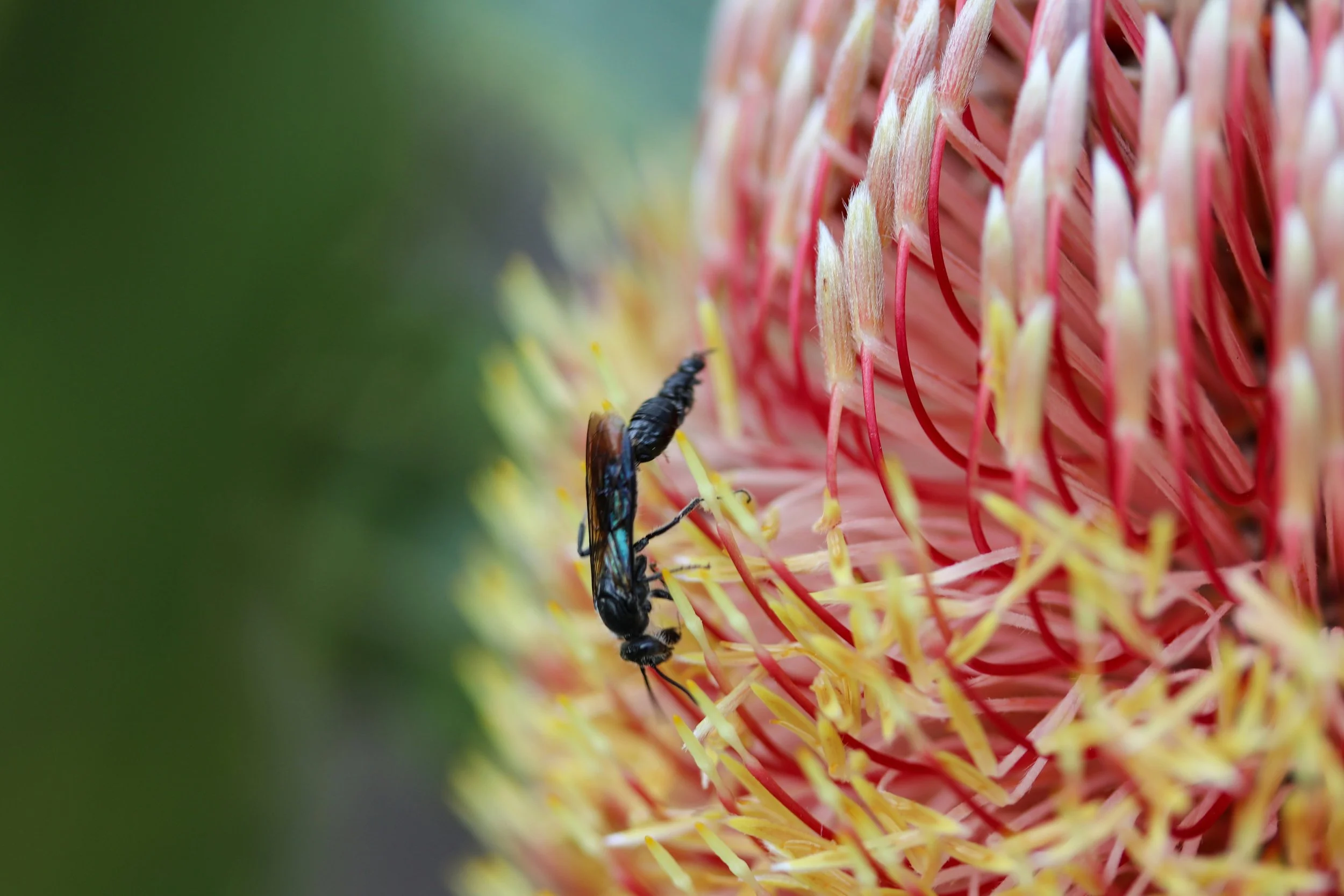
Photo by Megan Clark on Unsplash
We aim to:
Create urban pollinator habitat and invertebrate refuges to offset habitat that was lost when we first cleared the land to build our communities.
Create a platform to push back against the use of invisible systemic insecticides in the seeds and potted flowers we buy.
Develop a checklist of suppliers of seed and potted colour who provide guarantees that their products are insecticide-free, and make this list freely available.
Develop a list of preferred species to look for and plant.
Suitable – any non-weedy species that produce pollen and/or nectar and attracts insects. Many seed suppliers offer pollinator-friendly seed mixes (eg Diggers seeds, Happy Vally Seeds, The Seed Collection) but beware of anything weedy in the mix.
Recommended – native species that attract insects to flowers fruit and or leaves
Highly Recommended – native species as above that are endemic to our region e.g. Sweet bursaria (Bursaria spinosa), produces a spectacular spray of flowers and attract a host of native insects. See a list here
Specialist – native species as recommended by Stanthorpe Rare Wildflower Consortium TBA
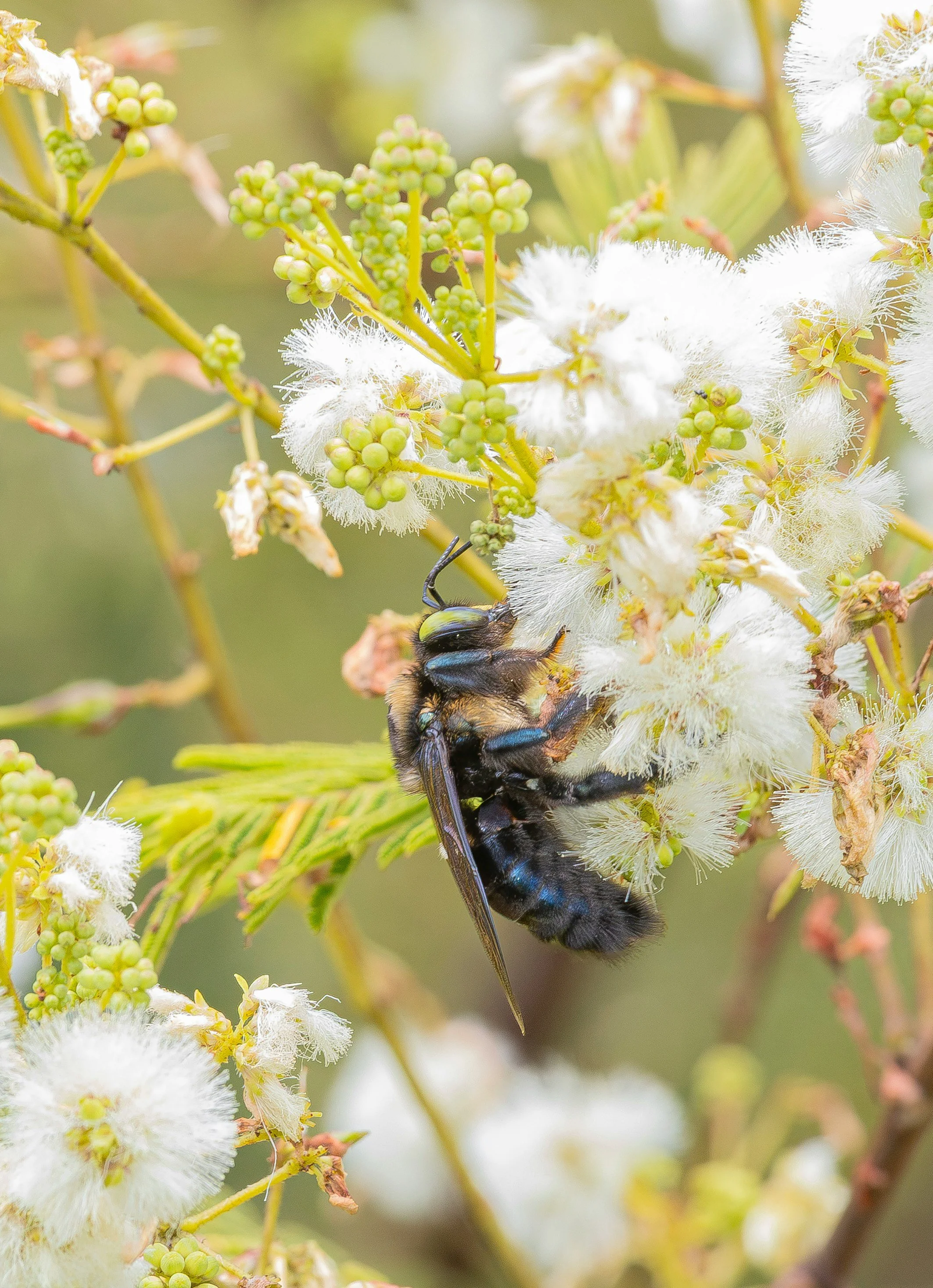
Photo by Alfonso Betancourt on Unsplash
Sign up for BugSpace News & Updates
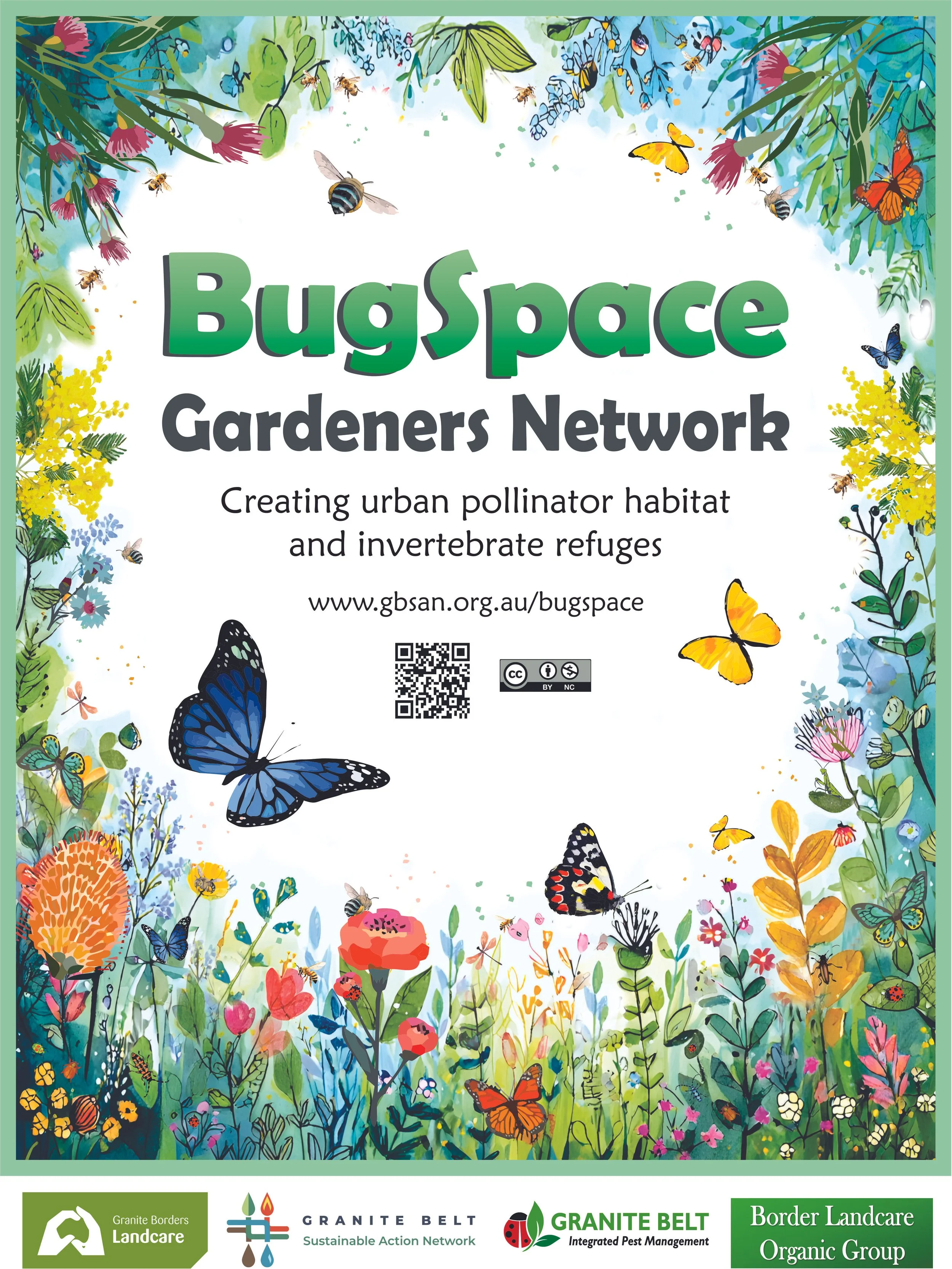
A Big Thank You to our collaborators and supporters. If you would like to get involved and have your group listed here, please contact us.
Borders Landcare Organic Group (BLOG)
Granite Borders Landcare
Stanthorpe Rare Wildflowers Consortium
Stanthorpe Diggers Club
Seed supplies guaranteeing insecticide-free seeds.
Diggers Seeds
Happy Valley Seeds
The Seed Collection
Seed Suppliers guaranteeing Neonicotine-free seeds
Mr Fothergills Seeds
Nurseries supplying insecticide-free potted colour
List under construction
If you supply insecticide-free seed and planting stock and would like your business included here, please contact us.
Resources: For more information of the decline of our insects and the science underpinning this work, visit Granite Belt IPM
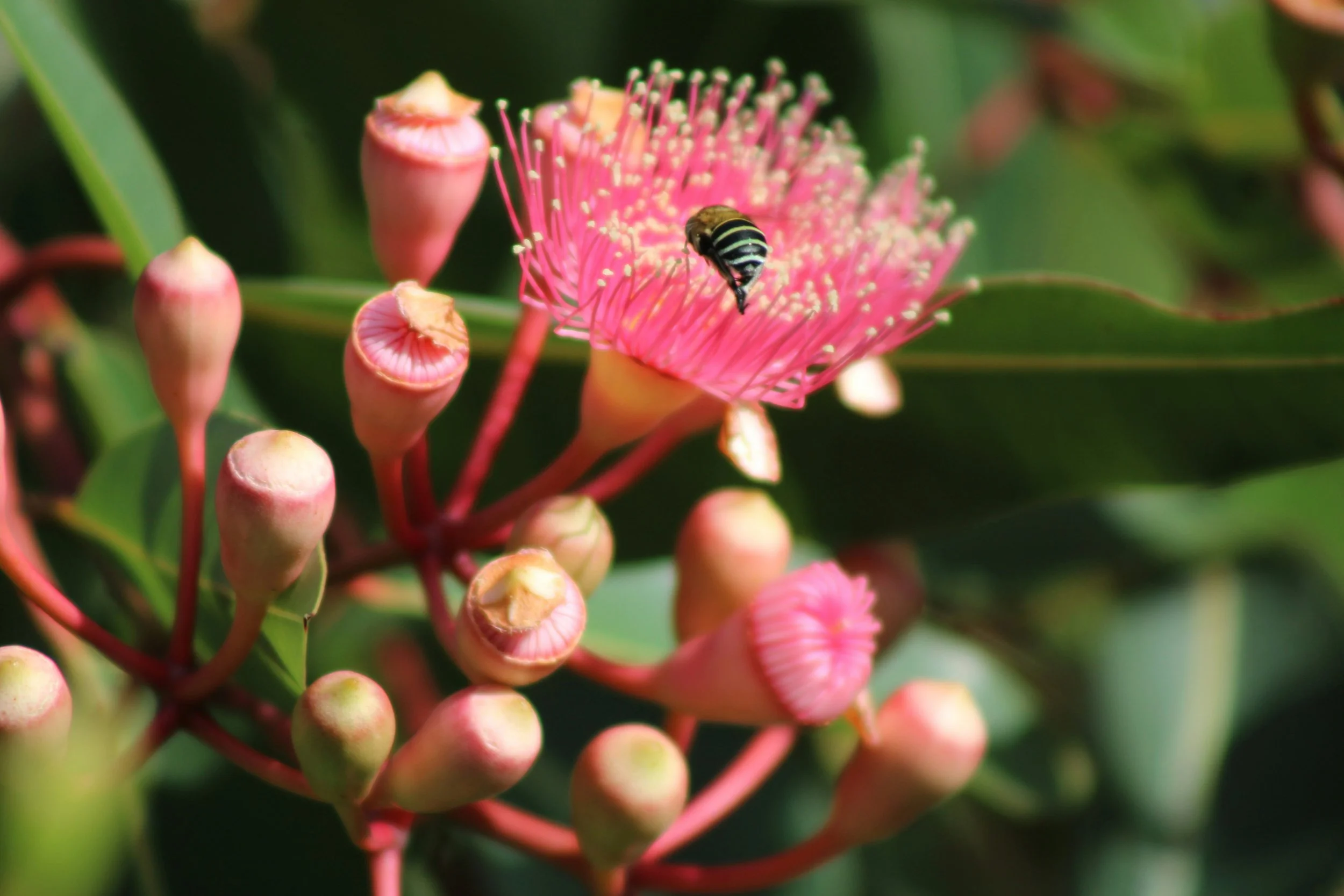
Photo by Isis on Unsplash