Varroa mite in Southern Downs beehives
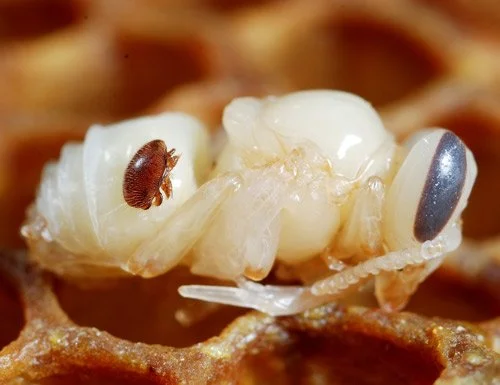
Varroa destructor on bee pupa
Photo: Gilles San Martin Wikimedia Commons
Confirmed reports of parasitic varroa mite in Southern Downs beehives mean that local beekeepers will now need to be extra vigilant in detection and treatment against varroa.
While managed hives can respond to the presence of varroa with appropriate treatments, it is bush hives and untended beehives on local properties which are most at risk, with predictions of complete colony collapse for these hives within a couple of years.
Considering the huge range of fruit trees and vegetables that are pollinated for free from bush hives, the findings are particularly concerning for farmers and backyard food producers. European honeybees are vital for pollination of over 130 varieties of our fruit and vegetables.
Varroa destructor was first detected at the Port of Newcastle in June 2022. Early efforts at eradication resulted in many NSW apiaries being destroyed but they ultimately proved unsuccessful as the parasite quickly spread via swarms and movements of hives to apiary sites across the country.
Now varroa has been detected in Warwick and Stanthorpe.
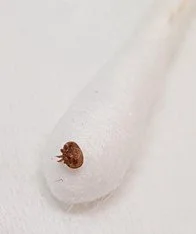
Varroa mite on a cotton bud
The varroa mite is the biggest single challenge the Australian bee industry has ever faced, made more challenging by varroa’s developing resistance to synthetic pyrethroid treatments. Bees have had a hard time maintaining colony health recently, with many stressors contributing to declining health, including pesticides of the neonicotinoid group, gut microbiome disruption through glyphosate use and diseases such as foulbrood and chalkbrood afflicting hives.
The best thing that apiarists can do for bees is to regularly check for varroa mite and treat accordingly.
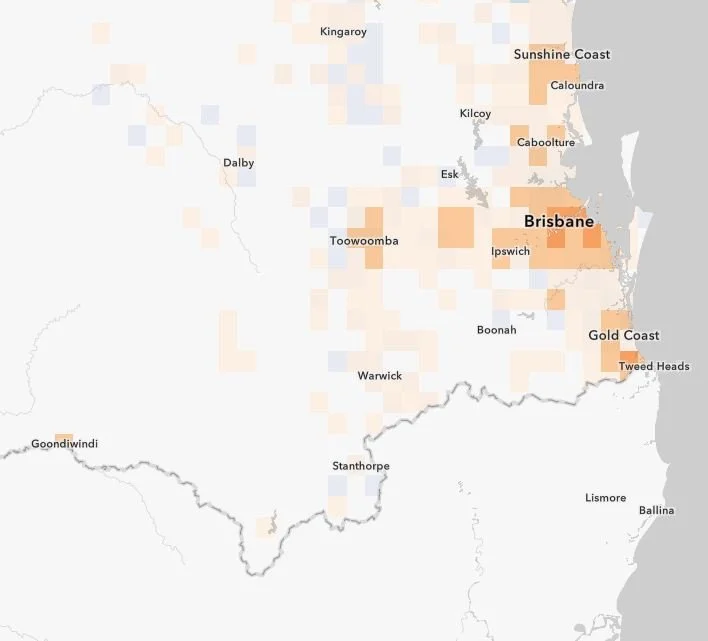
Reports of varroa in Qld (orange shades) - check Qld gov website for updated information